


Ask most teams how they plan to reduce network downtime, and the first answer is usually better monitoring. It’s a sensible instinct, but it addresses only half the problem.
Two Different Jobs
Observability answers the question, "What is happening on my devices right now?" It provides alerts, dashboards, and telemetry to help you quickly detect and respond to device or link failures.
Automation answers a different question: are my devices configured, changed, and maintained correctly? It works before and after a change, producing backups, compliance status, gated workflows, and an audit trail.
The difference comes down to timing. Observability can shorten an outage that has already begun, but it can’t prevent a faulty change from causing an outage.
Evidence Points to People and Process
If you want to reduce downtime, look at what actually causes it. The research is consistent:
- Uptime Institute’s 2025 Annual Outage Analysis finds that human error contributes to roughly 67-75% of outages. Of those, 58% involve staff not following established procedures, up from 48% the year before.
- The same report notes a rise in IT and network outages in 2024, linked to change management issues and misconfigurations.
- A survey of 1,000 CIOs, CSOs, and Network Engineers by Opengear shows that 84% of organizations report rising network outages, with device configuration changes the most common cause.
- Gartner documents specific incidents where firewall misconfigurations combined with unpatched vulnerabilities enabled attackers to gain persistent access – but misconfiguration was often the enabler.
Uptime’s analysts call human error one of the easiest and most cost-effective areas for improvement. Detecting these failures sooner helps, but preventing them is better.
What Prevention Looks Like in Practice
Kilter by BackBox supports a zero-downtime approach:
- Consistent configuration. Continuous checks against your standards catch drift and non-compliant settings before they manifest as unexpected behavior.
- No manual variance. Automated tasks run the same validated steps on every device, every time, targeting the procedure-following failures Uptime identifies as the leading human-error cause.
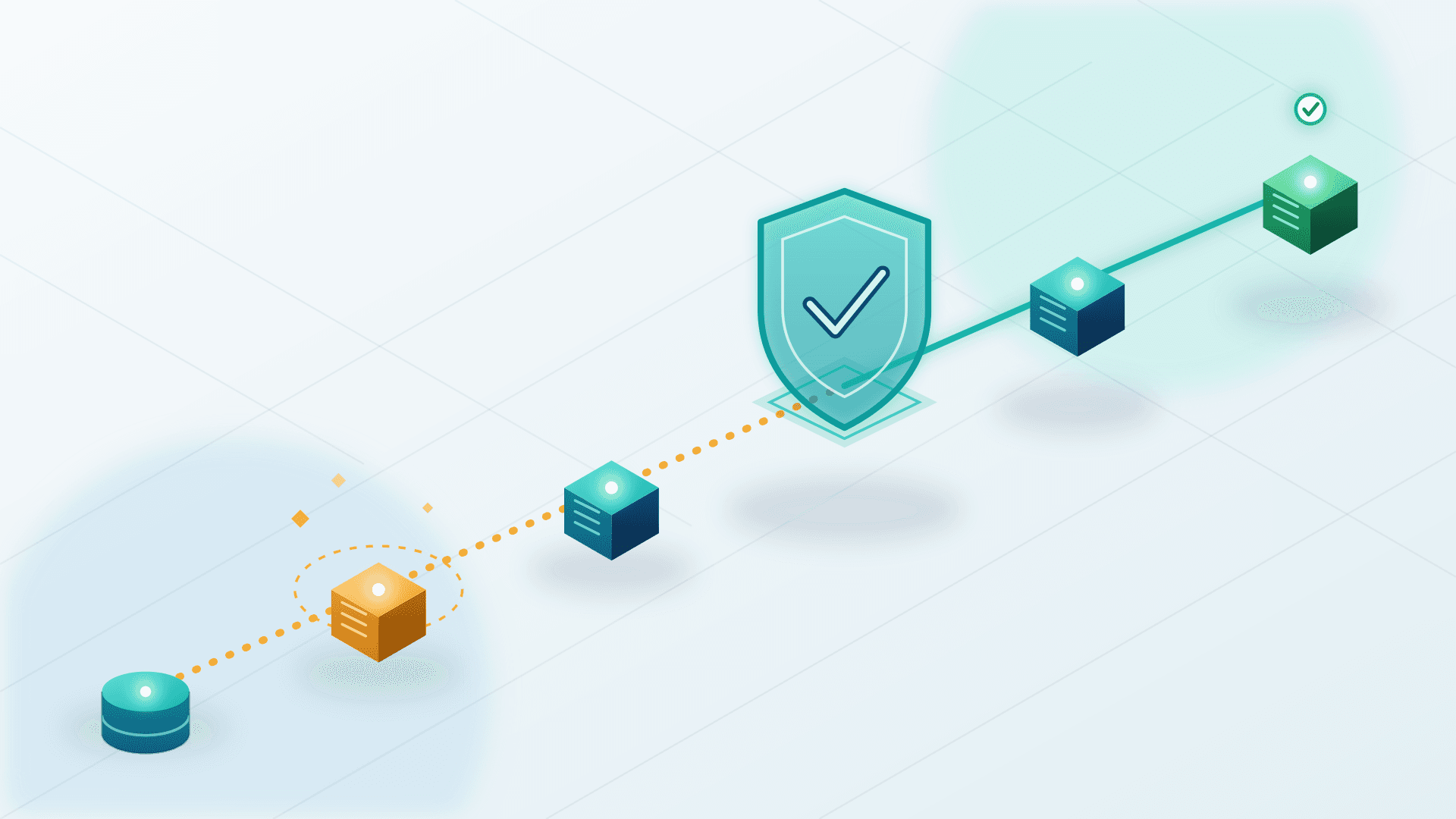
- Gated workflows. An upgrade runs as a controlled sequence: Backup > Pre-check > Stage software > Execute upgrade > Post-check > Backup. A failed pre-check halts the workflow before any changes are made. A failed post-check flags the problem immediately, with a known-good backup available.
- A full audit trail. Every action is recorded: what was done, to which device, by whom or what, and when. This supports compliance and removes the guesswork from troubleshooting.
- Integrated records. CMDB and ITSM records are updated automatically as part of the workflow instead of relying on someone remembering.
- Trend visibility. Scheduled metric collection highlights capacity trends, so resource exhaustion is anticipated rather than discovered mid-incident. This is trend analysis, not real-time monitoring.
Where Observability Fits
Kilter is not a substitute for real-time monitoring, and we don’t position our platform as one. Observability is a large, mature market served by strong specialists, and automation doesn’t replace it. When you need live visibility, pair your automation platform, like Kilter, with your chosen observability tools and integrate them.
In practice, monitoring quickly alerts your team when something is wrong. Automation helps ensure fewer things go wrong in the first place and that recovery from a known-good configuration is fast and controlled when it does.
The Takeaway
A zero-downtime strategy requires both detection and prevention. Since most avoidable downtime stems from change and configuration activities carried out by people, prevention with Kilter is the most cost-effective place to start. Standardized, validated, gated, and auditable change is the foundation, and monitoring is the layer on top that tells you the rest is working. Request a demo to see Kilter in action.
Sources:

Written by
Tony Dalton