



I had an interesting conversation a few days ago that is not directly related to IT, but the concept is very applicable.
I was speaking with a friend of mine about how to live a healthier lifestyle. We’re both approaching an age at which we’re not as nimble and athletic as we were when we were younger. With that comes the need to eat healthier, exercise, and get more movement than a sit-at-your-desk job typically allows. I’ve made some improvements, found that they worked, and shared my success. My friend, on the other hand, brushed off my suggestions until one day we had a very enlightening conversation.
It started with, “Hey, check out this amazing workout and diet routine ChatGPT gave me! I asked it to give me a realistic diet based on my lifestyle, as well as workouts I could do if I only have five minutes, ten minutes, or twenty minutes. Look how amazing it is!”
Guess what it said? Exactly what I already told my friend about!
Herein lies my revelation. The output from ChatGPT was clear and concise. It gave a very well laid out report, first providing a summary of what was asked, followed by a clean, structured report with headings and examples.
This sounded to me a lot like the work I did on consulting engagements for large enterprises. A lot of what we did, similar to other high-priced consulting firms, was to listen, ask questions, understand the business challenges, and then present solutions that were easy to follow. The biggest trick is that they were well documented with an executive summary at the top, followed by pages and pages of detail on how to execute those plans.
The teams at those companies often expressed similar concerns over the years, and even provided solutions, but unfortunately, management remained largely unresponsive to their feedback. A significant factor contributing to this disconnect is the way the information was communicated.
The structure of reports plays a crucial role in effectively conveying messages; this includes the choice of headings that capture attention, the level of detail provided to support claims, and a clear articulation of potential risks facing the organization. Furthermore, it is essential to highlight the anticipated benefits and the return on investment associated with the proposed plans.
The ability to effectively communicate is key. While AI outputs are getting good at presenting the data in a manner similar to a high-priced consultant, the information contained within those reports still requires vetting by an expert to ensure accuracy and interpret any nuances. AI should be used to support and enhance human capabilities rather than replace them. However, people often place more trust in AI outputs than in the human team. It’s essential to strike a delicate balance, utilizing AI to augment human capabilities, rather than trust the AI output on its own. This combination of human insight and the rapid processing power of AI can boost performance, accelerate problem-solving, and significantly increase the productivity of your teams.
Related content

Article
Q&A: Fireside Chat with Rekha Shenoy on Optimizing Network Performance for Resiliency
Discover how a network automation platform like BackBox helps reduce downtime, automate tasks, and boost network cyber resilience.
Read Now
Article
BackBox Earns Top Recognitions in G2 Summer 2026 Network Automation Tools Report
BackBox recognized in G2 Summer 2026 Report for Network Automation Tools. See what verified customers are saying about how BackBox scales network automation.
Read Now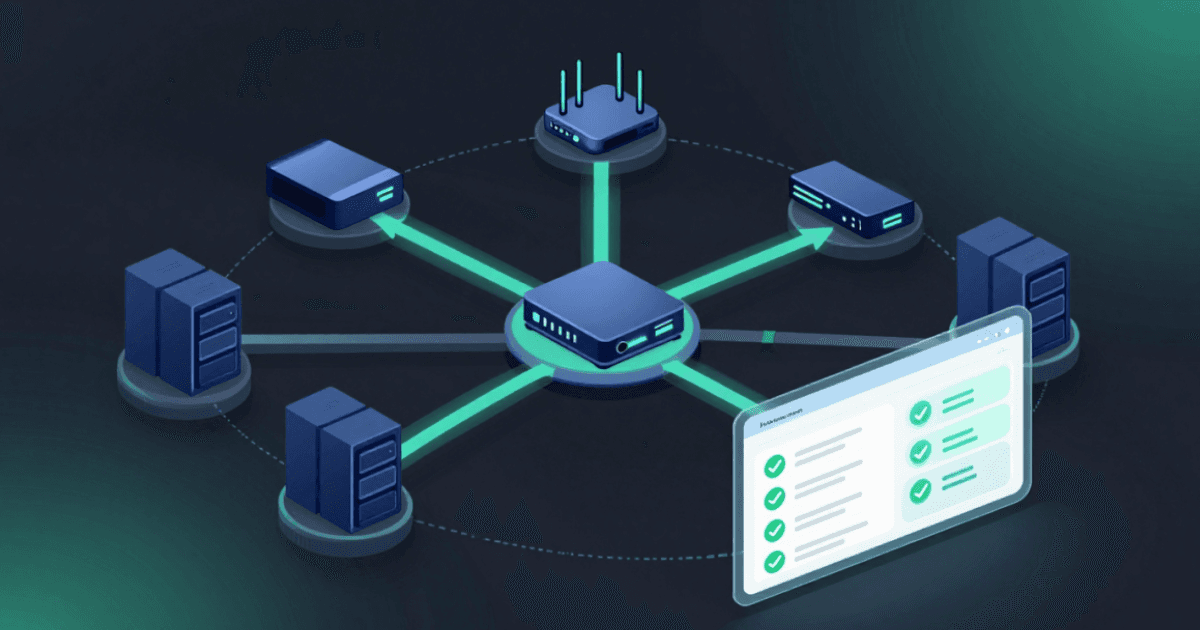
Article
What Is Network Automation and Why Is It Critical for Modern Networks?
What is network automation? Learn how it works, why it's critical for modern networks, and how BackBox automates network tasks across 180+ vendors.
Read Now
See for yourself how consistent and reliable your device backups and upgrades can be

Written by
Irfahn Khimji